
1Your first contact
When you reach out, we first ask how urgent your problem is. Some problems need help right away: an open fracture or serious wound, heavy bleeding, a cold, pale or blue limb, new numbness or weakness, loss of movement, fast-growing swelling or tightness, a suspected spinal cord injury, or severe pain after a major accident. Other problems can be seen at a planned clinic visit. For children with conditions present from birth, we may ask for earlier medical records, birth history, past treatment and scans before you come. If you are travelling from another city or country, we can help organise your records, referrals and appointments.
2Your first consultation
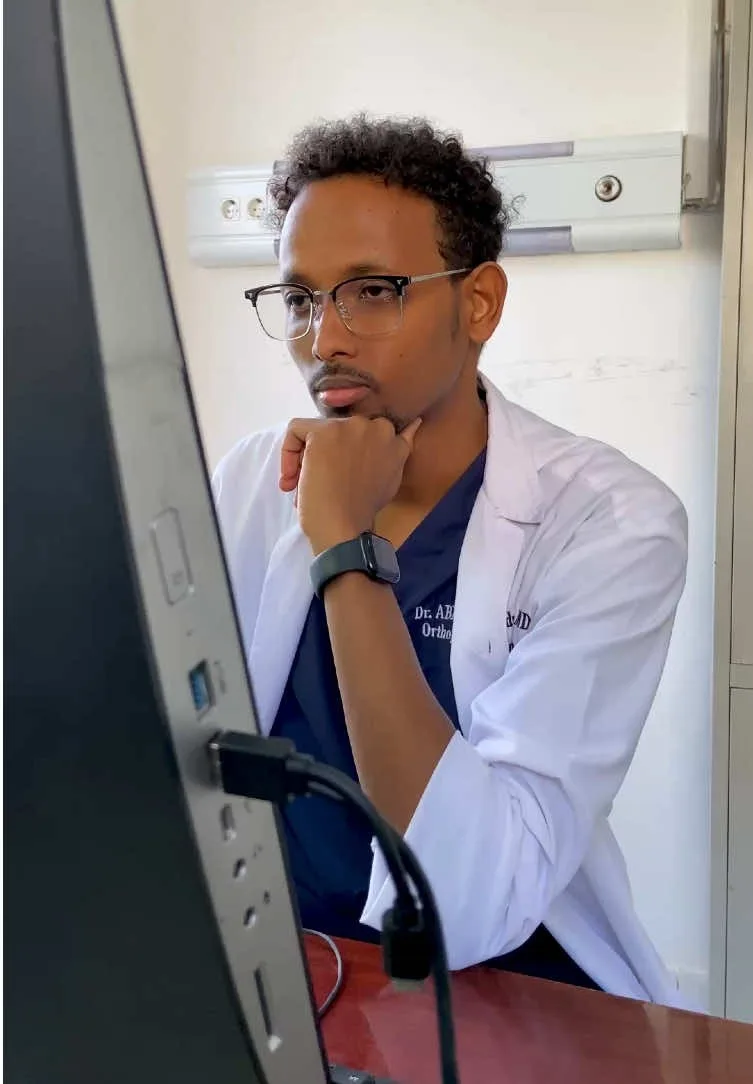
We begin by listening. When did it start? How does it affect your walking, work, school, sleep, sport or prayer? We ask about past injuries, operations, injections and physiotherapy, and about your medicines and other health conditions. Then we examine movement, strength, stability, feeling, circulation, swelling and skin — and watch how you walk when it helps. With children we also look at growth, alignment, flexibility and muscle balance. No examination or scan can pinpoint the cause of pain with complete certainty, so we look at the whole picture.
3Scans and tests
We only ask for tests that will help us reach a diagnosis or change your treatment. X-rays show fractures, dislocations, alignment, joint changes, limb deformity and, in children, growth plates. A CT scan gives detailed pictures of bone, useful for complex fractures, joint injuries, spinal bone problems or planning an operation. An MRI shows discs, nerves, the spinal cord, cartilage, ligaments, tendons, muscle and bone marrow — but not everyone with back pain or an injury needs one. Ultrasound can examine some tendons, muscles and joints and guide certain injections. Blood tests may be needed before surgery, or when infection, inflammation, anaemia or bone disease is suspected.
4Your treatment plan
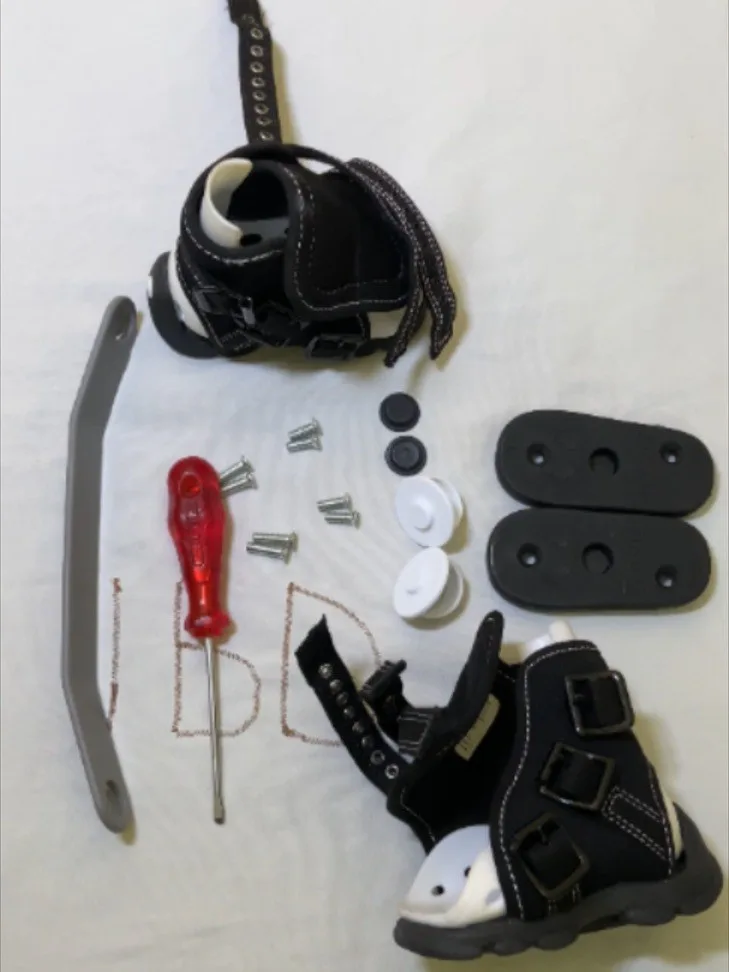
Once we have the answers, we explain your options in plain language. Depending on your condition, treatment may be observation and follow-up, medicine, physiotherapy and home exercises, a brace or walking aid, a cast or splint, an injection or small procedure, corrective surgery, joint replacement, or staged treatment for complex injuries. Not every fracture needs an operation: a stable fracture can heal safely in a cast, splint or brace. Surgery is considered when a fracture has moved, is unstable, involves a joint, threatens the skin or circulation, or cannot be held safely in position without fixation. For a child with clubfoot or another deformity, the plan may combine casting, bracing, guided growth, tendon procedures and bone correction, depending on age, flexibility, remaining growth and severity.
5Injections and small procedures
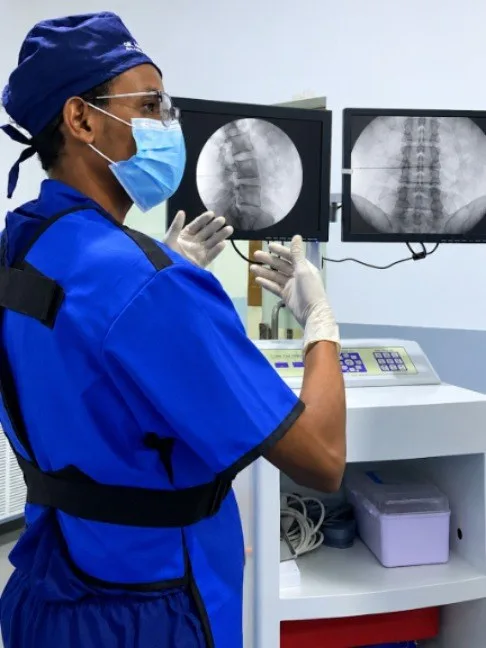
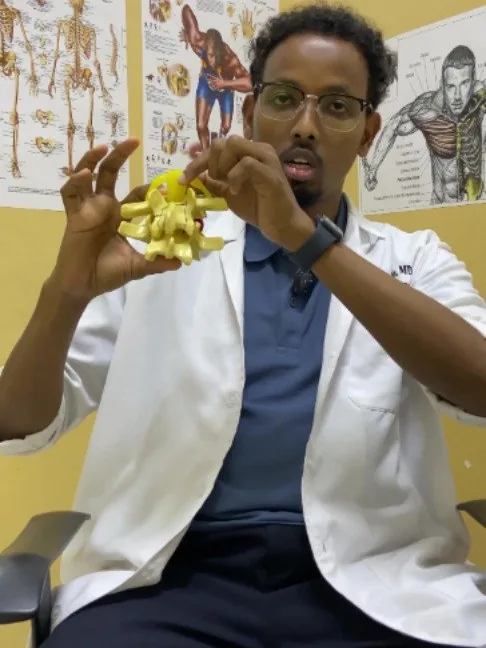
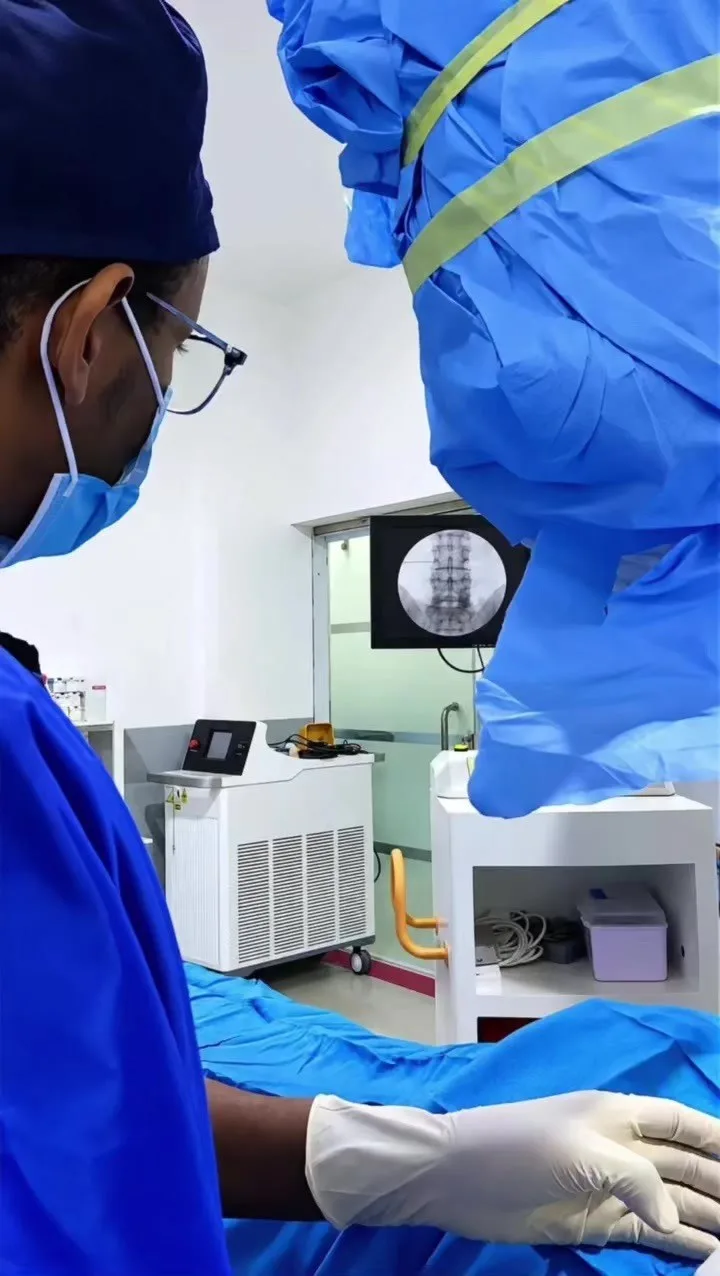
Some injections and minor procedures are done as outpatient or day-case treatment; others need extra monitoring or a hospital stay. We explain the purpose, what will be used, the expected benefit, the risks, the alternatives, whether you need an adult to take you home, and what to avoid afterwards. An injection can ease pain and inflammation for a time, but it does not always fix the underlying problem, and the benefit differs from person to person. When suitable, we guide it with imaging such as fluoroscopy, CT or ultrasound to place it as accurately and safely as possible.
6The day of surgery
Before surgery, the orthopedic and anaesthesia teams go through the planned operation, your medical history, medicines, allergies and anaesthesia options, and you can ask any question. Timing depends on the injury: some need urgent surgery, while others wait for swelling to settle, another medical problem to be treated, or the soft tissues to be ready. We may use plates, screws, rods, wires, external fixation or other implants — whichever is safest for your fracture or deformity, soft tissues, bone quality and general health. A smaller cut is possible in some cases, but it is not automatically the best choice; the priority is safe treatment and useful function.
7Your hospital stay
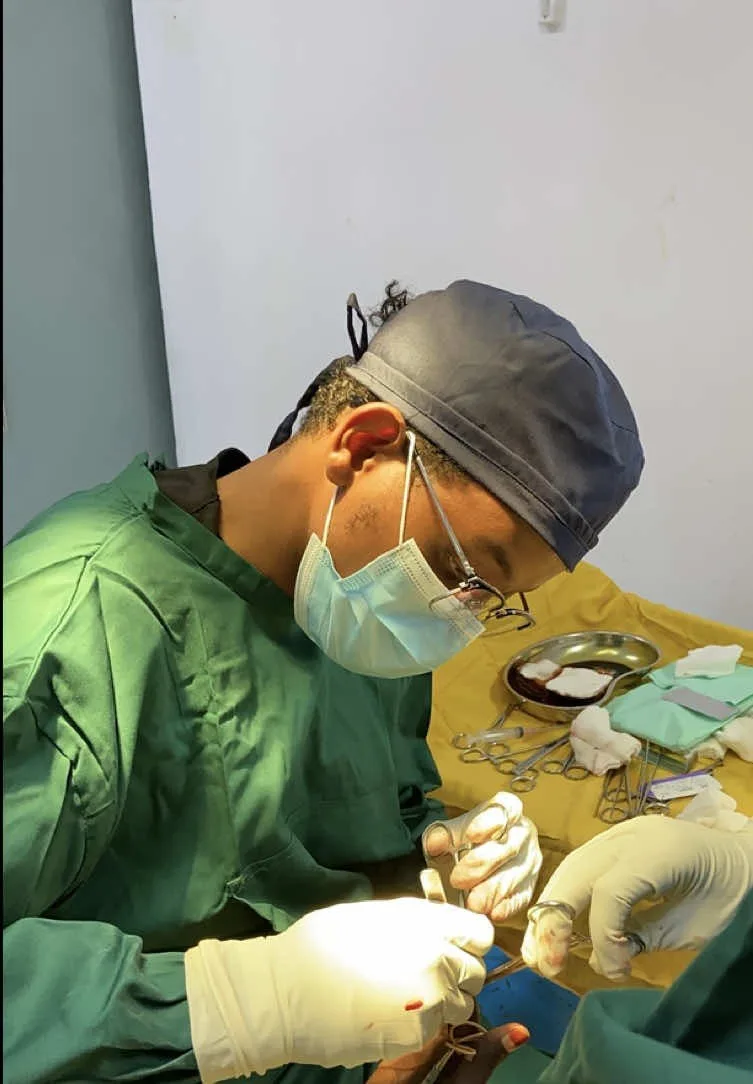
Some operations are day cases; others need several days or more. Before you go home we check your pain control, wound and swelling, circulation, feeling and movement, your ability to transfer and walk safely, any weight-bearing limits, what equipment or help you need at home, other medical conditions and whether family can support you. When it is safe, rehabilitation starts in hospital: breathing exercises, moving in bed, transfers, walking with crutches or a frame, and gentle movement of the affected area.
8Preparing to go home
You will receive clear written and spoken instructions on caring for your wound, dressing, cast or brace; your medicines and pain plan; whether you need antibiotics or blood thinners (not everyone does); how much weight you can put on the limb and which activities to avoid; your exercises and physiotherapy; your follow-up appointments; the warning signs; and who to contact if something goes wrong. We may ask you to repeat the key points in your own words — this is called teach-back, and it helps us see what needs explaining again. It also helps patients remember their plan and follow it.
9Follow-up care
How often we see you depends on your diagnosis and treatment. Visits may include checking the wound or stitches, adjusting a cast or brace, repeat X-rays or scans, assessing bone healing, reviewing pain and medicines, checking movement, strength and circulation, increasing weight-bearing and adjusting physiotherapy. Some people need frequent visits, others fewer; complex injuries, growing children, joint replacements, spinal conditions and slow-healing bones may need longer monitoring. If you live far away, we can combine appointments when it is safe — but do not wait if you notice a wound problem, increasing pain, new weakness or another warning sign.
10Recovery and returning to activity
Recovery is gradual. Physiotherapy helps reduce swelling and stiffness, restore movement, rebuild strength, improve balance and retrain walking, so you can return to work, school, prayer, driving, sport and daily life. When you can do each activity depends on your injury, operation, healing, weight-bearing instructions, strength, balance and general health. Going back too fast risks another injury; staying still too long brings stiffness and weakness. Success is not only a good X-ray: it is less pain, better movement and strength, confidence, independence, and being able to do what matters to you. Recovery can continue for months, and some people have lasting symptoms even after successful treatment.
11When to seek urgent help
Go to a doctor or emergency department straight away if you have severe or rapidly worsening pain; bleeding you cannot control; a cold, pale, blue or numb limb; new loss of movement; new or worsening weakness; swelling or tightness that is growing fast; fever with a red, warm or draining wound; a cast or brace causing severe pain, numbness or discolouration; chest pain or sudden shortness of breath; or new loss of bladder or bowel control.