Treatment of bone injuries, complex fractures and breaks that do not heal easily.
Conditions Treated
Conditions Treated
Orthopedic Trauma
Sudden injury to bones, joints, ligaments and tendons.
Accidents, falls, workplace injuries, and sports activities can cause sudden damage to bones, joints, muscles, ligaments, tendons, nerves, and the surrounding soft tissues. Orthopedic trauma care focuses on evaluating these injuries, identifying their severity, and developing an appropriate treatment plan.
Our service may include assessment and treatment of fractures, dislocations, ligament injuries, tendon injuries, and other urgent musculoskeletal problems. Treatment can involve immobilization, splinting, casting, joint reduction, medication, wound care, physical therapy, or surgery, depending on the injury.
More complex injuries—such as open fractures, fractures involving multiple bones, injuries with significant swelling or soft-tissue damage, or fractures affecting blood supply or nerve function—may require hospital-based treatment and coordination with other specialists.
Fracture Fixation
Plates, screws, rods or frames to hold a fracture in position while it heals.
Some fractures can heal safely with a cast, brace, or protected weight-bearing. Other fractures require stabilization to restore or maintain alignment and allow the bone to heal in a functional position.
Fracture fixation may use plates, screws, intramedullary rods or nails, pins, wires, or an external fixation frame. The choice depends on the location and pattern of the fracture, the degree of displacement, the condition of the skin and soft tissues, bone quality, age, activity level, and other medical factors.
The objectives of fixation are to provide stability, protect the surrounding tissues, maintain appropriate alignment, and allow rehabilitation when safe. The goal is not necessarily to place every fracture in a mathematically perfect position; the acceptable alignment depends on the bone, joint, fracture pattern, and patient.
Follow-up may include wound assessment, radiographs, evaluation of circulation and nerve function, adjustment of weight-bearing restrictions, hardware review, and physical therapy. Some implants remain permanently, while others may be removed if they cause symptoms or create a specific clinical problem.
Ortho-Plastic Procedures
Combined bone and soft-tissue reconstruction after severe injury.
Some severe injuries and orthopedic conditions affect both the bone and the surrounding skin, muscle, blood vessels, or other soft tissues. Examples include open fractures, severe crush injuries, complex infections, exposed implants, tumor reconstruction, and large wounds after orthopedic surgery.
Ortho-plastic care combines orthopedic reconstruction with plastic or reconstructive surgery when necessary. Treatment may include wound cleaning and debridement, fracture stabilization, temporary wound coverage, muscle or tissue flaps, skin grafts, vascular repair, and staged reconstruction.
Healthy soft-tissue coverage is important because it protects the bone and implants and creates a better environment for healing. The treatment plan may involve multiple operations, specialized wound care, antibiotics when indicated, and prolonged rehabilitation.
The goals are to control infection, preserve the limb when possible, stabilize the orthopedic repair, and restore useful function. Complex reconstruction carries significant risks, and healing cannot be guaranteed. Some patients require referral to a trauma center or multidisciplinary reconstructive team.
Procedure
Procedure
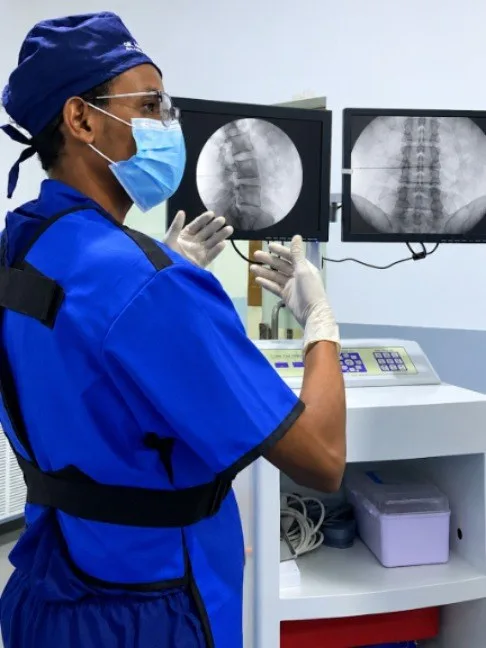
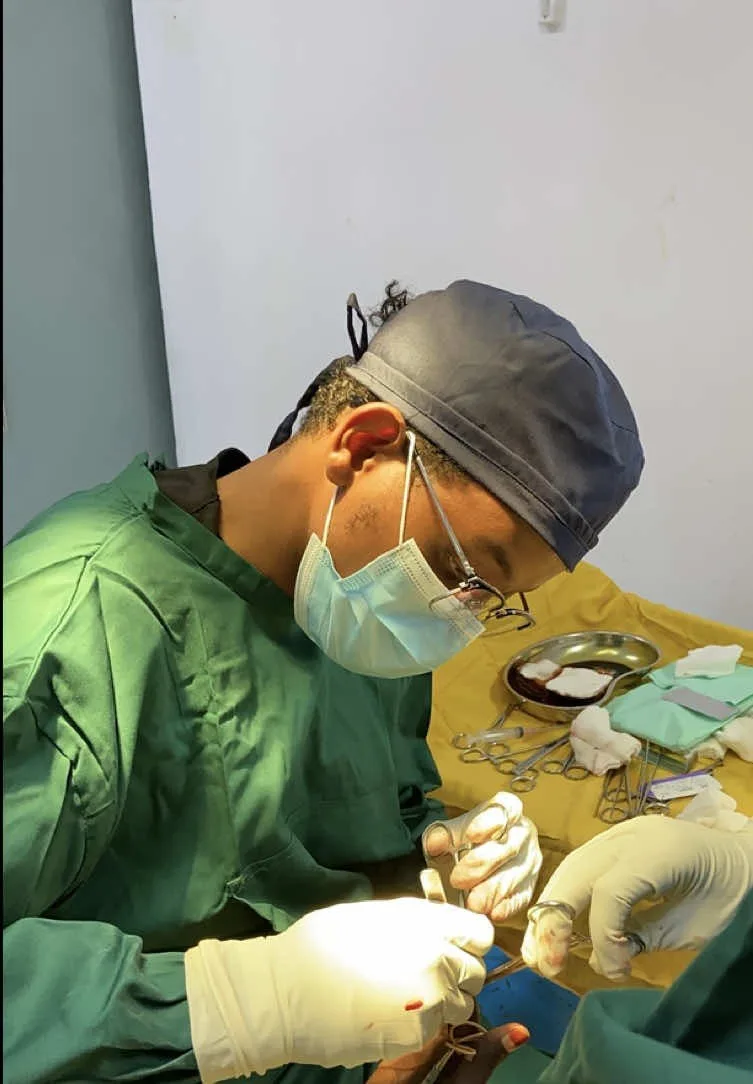
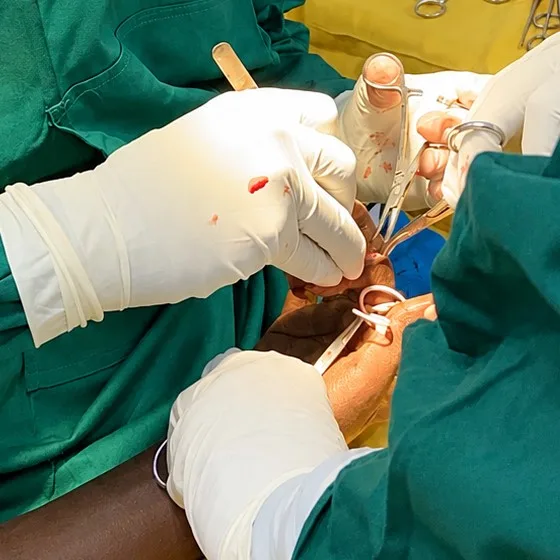
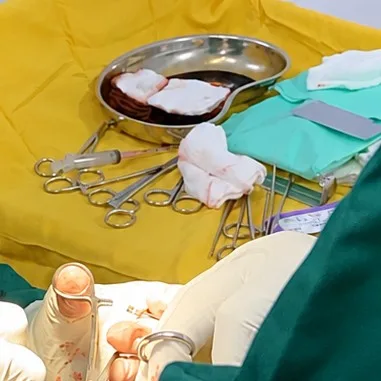
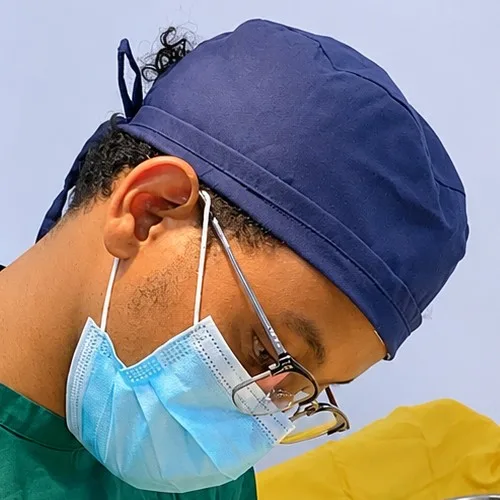
Surgery in progressSterile surgical instrumentsDr. Abdulkadir at work